Showing posts with label vernacular. Show all posts

Monday, June 16, 2025

Défense de l'architecture Africaine

Style Africain contemporain Architectural


Premier Étage (Rez-de-chaussée)

  • Salon spacieux (coin détente principal)

  • Cuisine moderne (ouverte ou semi-fermée)

  • Salle à manger (adjacente à la cuisine)

  • Salle d’eau / WC invité

  • Entrée principale avec hall

  • Garage couvert (1 voiture)


Deuxième Étage

  • Chambre Parentale avec salle de bain privée

  • Chambre 2 (enfant ou invité)

  • Chambre 3 (enfant ou invité)

  • Chambre 4 / Bureau

  • Salle de bain commune pour les chambres 2, 3, 4

Monday, February 5, 2024

House

House with features of Sahara design, with Mrroco doors


Monday, January 29, 2024

Matudji ma nzagu


It means the ears of the elephant in ypunu of Gabon. Why this name? We don't know, it may be because of its shape which gives the impression of the elephant's widely open ears. It is a covered space without walls. It also looks like it is a roof supported by posts and without a wall. It is often a construction erected at the camp to meet an urgent need which may be the smoking of fish or meat during fishing or hunting campaigns. It can be built in the village to serve as a hangar for public meetings.

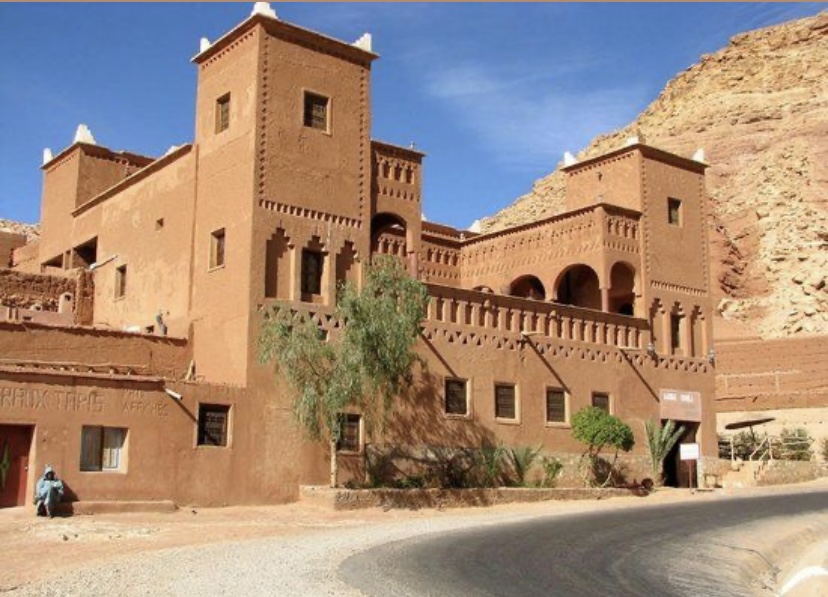
Kashbas ,Kashba, cashba Ait Benhaddou, Morroco

 The kashba are fortress that we find in North Africa. The Kashbah belongs  is a heritage cultural of Africa.

https://thehistoriantraveller.com/morocco-road-of-a-thousand-kasbahs/


ust south of Marrakesh’s city center is the neighborhood of Kasbah. This laidback district welcomes all through one of the 19 gates of Medina, the Bab Agnaou.


June 2022, Little Venice seen from Mykonos Windmills, Chora, Mykonos, Greece.


https://www.booking.com/hotel/ma/kasbah-hnini.html

German Architecture


Typical house in Menes in Morroco

 A Riad is a traditional Moroccan house or palace with an indoor garden and courtyard. They are located within the old city “Medina” walls. Generally, the Riad is fully enclosed inside, insulated with high-strength, neutral walls and with minimal vents to keep out heat and street noise…


Colonial Style


 South Africa

The small, unevenly placed, casement windows, steep gable roofs, shed dormers, plain white plastered interior, winding stairs, and center chimneys are all indicative of medieval German building traditions.


East Africa

 North East , the Nubian style. The east africa in the sead region.The zimbabwes (“stone houses”) built in the 17th and 18th centuries by the Rozwi kings of southern Central Africa were royal kraals, an example being the citadel of Chief Changamire at Khami, Zimbabwe. Ruins at Regina, Nalatali, and Dhlodhlo (also in Zimbabwe) all display fine mortarless stonemasonry worked with chevron patterns and banded colours. Many African palaces were larger and often better-crafted versions of the traditional dwelling type, raised on hillocks or plinths. Such were the palaces of the kabaka (king) of the kingdom of Buganda, including the great barnlike thatched dome with an open reception veranda at Mengo, near present-day Kampala, Uganda. Other palaces were royal compounds, such as that of the fon (chief) of Bafut, Cameroon, which within a high fenced enclosure contained separate quarters for the older and younger wives, dormitories for the adolescent sons, houses for retainers, stores, meeting places, a shrine house and a medicine house, burial structures for former chiefs, and structures for secret societies.


On the east coast of Africa, Islamic influence began with the establishment of the dhow trade, which, relying on the trade winds, linked East Africa with the Arabian and Persian Gulf ports and with India. Kilwa, an island port that flourished between the 12th and 15th centuries, was built largely of stone, as were Zanzibar (where the mosque at Kizimkazi has a 12th-century inscription), Dar es Salaam, Malindi, Mombasa, and other ports and city-states built by Swahili- and Arabic-speaking traders along the Tanzanian and Kenyan coast. With the coming of the Portuguese at the close of the 15th century, the east-coast towns were plundered and burned. Only the northerly island port of Lamu, Kenya, retains the character of the Swahili town. Built of coral ragstone, roofed with mangrove poles, and covered with rag and lime mortar, the houses have fine plasterwork, decorative rows of niches, and deeply carved doors.

Sunday, January 28, 2024

Vernacular, Gabon

Tulu ibubu


In the dialect punu of gabon "tulu Ibulu"It means gorilla chest. Why this name? We do not know. This is perhaps because of its shape, the front wall of which is higher than the back wall. This set is reminiscent of a gorilla puffing out its chest.

This is the box with a slope. It generally has a single room to meet the needs of a single person or a couple without children. It is often built next to a main hut whose capacity is considered insufficient. In this case, the owner of the main hut is also that of Tulou ibubu. It can be built independently and can be considered as the main box. In a word, this name designates any hut or any house with a slope.

Songapourian dutch house

 Style  singapourian houses


hut

 Soudan


Takienta Tower house Togo


House vernacular


House vernacular


Wednesday, January 24, 2024

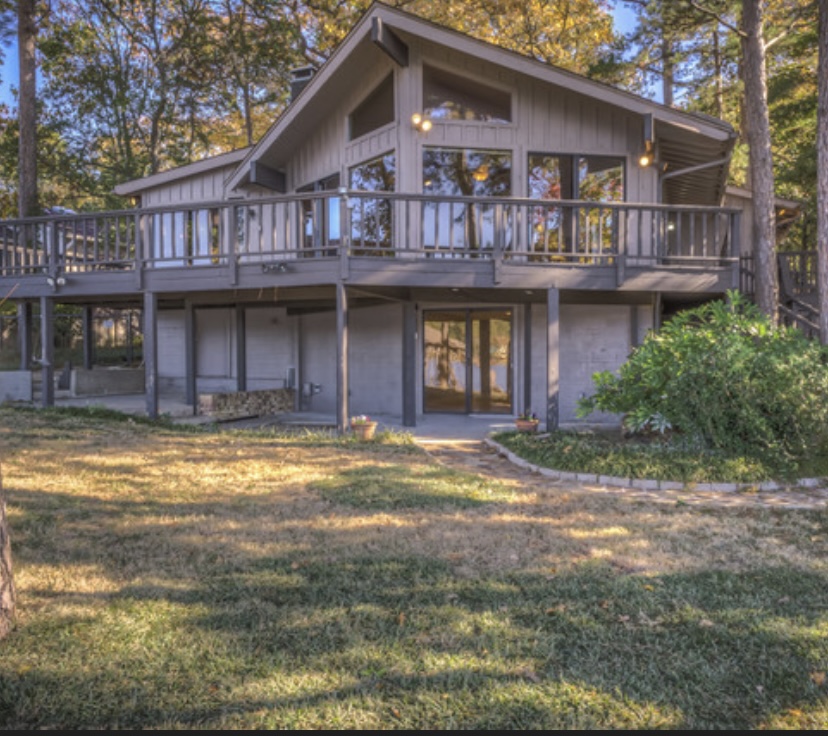
House wood

Famous restaurant in wood in Dallas


Malaysian or Indonesian style house, built in wood, good for the beach,


Hut vernacular